Iloilo’s Public Markets Are Becoming Must-Visit Attractions
If you grew up in Iloilo, going to the tienda was never really considered sightseeing.
You went there because you needed fish, utan-utan (vegetables), meat, rice—or maybe native chicken for Sunday lunch. It was busy, sometimes chaotic, and definitely not the first place you would bring a visitor to Iloilo.
That is starting to change.
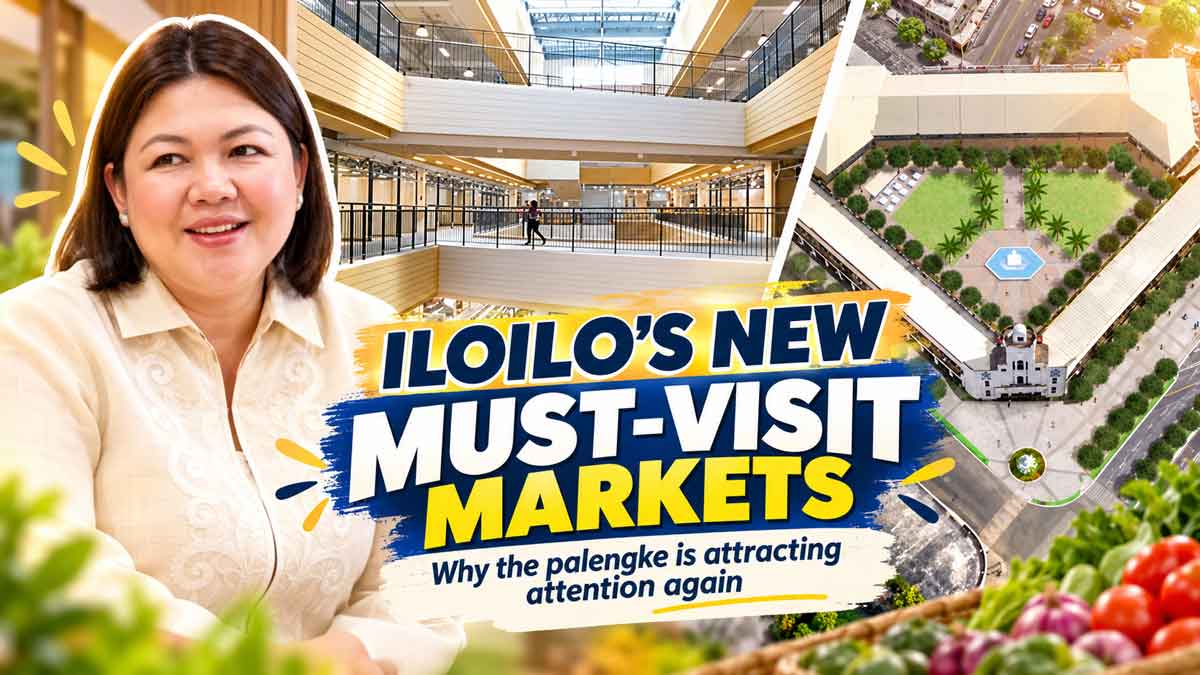
Iloilo City’s public markets have undergone one of the biggest transformations I’ve seen in the city in recent years. And surprisingly, they are becoming places people actually choose to visit, even when they don’t have a list to buy.
The biggest examples are the Iloilo Central Market, or Tienda Mayor, and the Iloilo Terminal Market, better known to Ilonggos as “Super.”
After years of redevelopment, both reopened in late 2025 looking very different from the markets many of us remember.
They’re cleaner. Brighter. More organized.
But thankfully, they’re still very much like a tienda.
The Tienda (Palengke)—But Upgraded
The redevelopment of Central and Terminal was done through a public-private partnership between the Iloilo City Government and SM Prime.
One thing worth clarifying: these did not simply become SM malls.
The public markets remain under the management of the Iloilo City Government, while new retail and commercial sections were developed alongside them. The traditional wet and dry markets are still there—you can still buy your fish, vegetables, meat, rice and other everyday necessities from local vendors.
What changed is the experience around them.
There are wider walkways, better ventilation and sanitation, elevators and ramps, organized sections, parking, food areas, retail shops, services and even banks. Material-recovery and wastewater-treatment facilities were also added.
The capacity also increased considerably. Terminal went from accommodating about 885 vendors to around 1,250, while Central increased from 603 to 850.
But the numbers are actually not the most interesting part.
People are coming back.
People Are Going to the Market Just to Explore
Here’s a statistic that surprised me.
From November 2025 to February 2026, the Iloilo Terminal Market recorded more than 2 million visits. Central Market recorded almost 800,000 during the same period.
Those numbers refer to visits rather than unique visitors or tourists, but they still tell you something important: there is serious foot traffic.
And the city is actively trying to turn that traffic into something more than grocery shopping.
In August alone, Central Market hosted “Kape Ta! Sa Merkado,” a week-long festival celebrating Iloilo’s growing coffee culture and homegrown cafés.
Then, on August 28, the city opened something I certainly never expected to see inside an Iloilo public market:
a library.
The new Library sa Merkado is located on the second floor of Central Market.
Think about that for a moment.
A public market is now becoming a place where you can shop for uga, eat Ilonggo food, drink coffee, browse stores—and read a book.
That’s a very different idea of what a tienda can be.
And This Is Good for the Vendors
Of course, modernization doesn’t mean much if the people who depend on the market don’t benefit.
There are encouraging signs.
One example is Rawit’s Native Lechon Manok, an Iloilo business dating back to 1975. Its third-generation owner reported stronger business after moving into the redeveloped Central Market, saying their native lechon manok has been selling out daily.
And Rawit’s itself is part of the attraction.
That’s something I think visitors sometimes miss about Iloilo’s markets.
You don’t go there merely to see a new building.
You go because many of Iloilo’s food traditions actually live inside these places.
Native chicken. Local coffee. Fresh seafood. Kakanin. Carinderias. Old family businesses that have been serving Ilonggos long before Instagram existed.
That’s what makes the new markets interesting.
The infrastructure is new.
The culture inside isn’t.
The Other Iloilo Markets Deserve a Visit Too
Central and Super get most of the attention, but Iloilo City’s market redevelopment went much further.
In December 2025, three more district markets reopened: Arevalo, Jaro Big and La Paz. Unlike Central and Terminal, these were city-funded projects.
And I particularly like that they weren’t designed to look exactly alike.
Arevalo Public Market takes inspiration from the district’s famous Paraw Regatta, with a façade resembling the sail of a paraw.
Jaro Big Market draws from Jaro’s identity as the Mestizo District, with design cues inspired by its old ancestral houses.
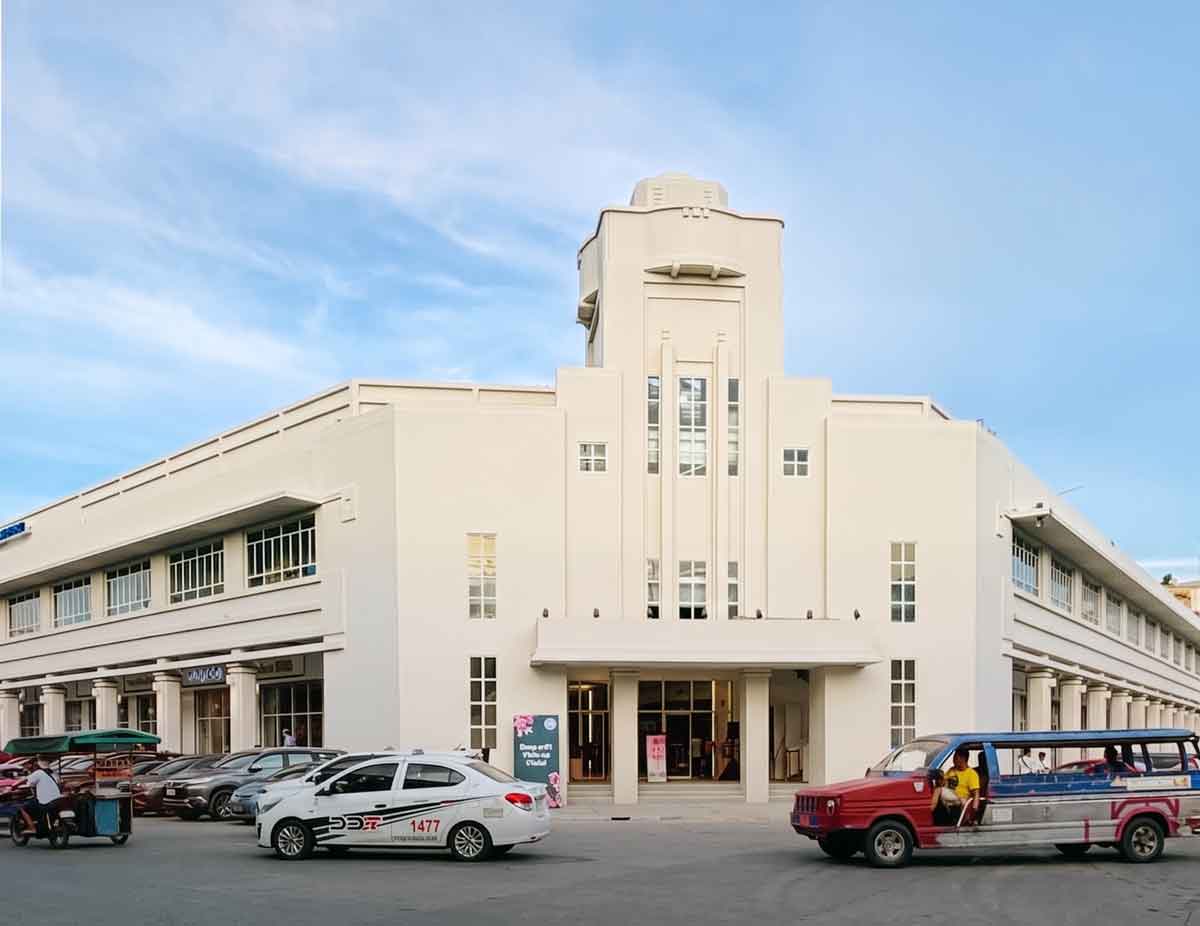
And La Paz Public Market preserved its recognizable Art Deco gateway from the 1930s—an especially appropriate setting for the district that gave Iloilo one of its most famous dishes: La Paz Batchoy.
So if you’re visiting Iloilo and have a little extra time, don’t think of these merely as places to buy groceries.
They’re little snapshots of their respective districts.
Try a Half-Day Iloilo Palengke Trip
If I were bringing someone around Iloilo, this is how I would do it.
Start with Central Market or Tienda Mayor in City Proper. Walk through the traditional sections first. Buy something local. Find somewhere to eat. Have coffee. Explore the newer retail areas.
Then head over to Terminal Market or Super, which has always had a stronger wholesale and everyday-commerce character.
And if you want the more traditional neighborhood experience, add La Paz, Jaro or Arevalo depending on where the rest of your Iloilo itinerary takes you.
Go in the morning if you want to see the markets at their most alive.
And most importantly:
Go hungry.
Because visiting an Ilonggo market without eating anything almost defeats the purpose.
But There Are Still Growing Pains
I also wouldn’t make the article sound like everything is perfect.
As of September 2026, the Local Economic Enterprise Office is still working on filling vacant stalls across the city’s markets. Terminal Market was reported to be about 80% occupied in early September, with applications from new vendors still being evaluated.
There has also been a real debate over where bolanteros, or ambulant vendors, should be allowed to operate. The city and regular stallholders have had to work out arrangements intended to protect both established vendors and people who depend on transient vending for their livelihood.
I actually think mentioning this makes the story better.
A public market isn’t a museum.
It’s a living economic ecosystem. Modernizing the building is the easy part. Finding the right balance among vendors, shoppers, tourists and commercial operators will take longer.
More Than a New Building
And maybe this is the most interesting part of the whole story.
Other cities are paying attention.
Since Central and Terminal reopened, representatives from around 23 institutions—including local governments and other organizations—have visited Iloilo to study the redevelopment and how the markets are being operated.
So what Iloilo is doing here may be bigger than simply fixing some old markets.
For years, development in Iloilo seemed to mean building something entirely new: new malls, new townships, new hotels and new commercial districts.
But perhaps progress can also mean taking something we’ve always had and making it better.
The tienda has always been one of the most authentic parts of Filipino city life. It’s where food, livelihood, conversation and community come together every single day.
Iloilo didn’t invent that.
What the city is trying to do is give it a better home.
And the next time somebody asks me what they should see in Iloilo beyond the Esplanade, Calle Real, churches and malls, I might give them an answer they weren’t expecting:
Go to the tienda.
You may be surprised by what Iloilo has done with it.
Sources and References
- Philippine News Agency – Iloilo Central and Terminal Market Redevelopment
- Philippine News Agency – Iloilo City Public Market Redevelopment
- Daily Guardian – Iloilo Public Market Foot Traffic and Parking
- Philippine News Agency – Kape Ta! Sa Merkado
- Philippine News Agency – Library sa Merkado at Iloilo Central Market
- The Philippine Star – Redeveloped Iloilo Markets and Support for Local MSMEs
- Philippine Information Agency – New Arevalo Public Market
- Iloilo Today – Jaro Big Public Market Redevelopment
- Daily Guardian – La Paz Market Retains Historic Art Deco Façade
- Daily Guardian – Iloilo City Market Stall Occupancy
- Panay News – Bolanteros and Iloilo Public Market Vendor Arrangements
- Philippine News Agency – Other Institutions Studying Iloilo’s Public Market Model