1) Clarify your “why,” timeline, and budget
- Purpose: end-use (student/young pro/family) vs. investment (long-term rent or daily stay).
- Timeline: pre-selling (longer wait; lower entry) vs. RFO (faster move-in; bigger initial cashout).
- Budget bands: align price with cash out today (reservation + down payment), monthly ability, and closing costs (see Section 8).
Warm tip: write a single-sentence goal (e.g., “Bigger 1-bedroom, at least 40-sqm, near mall and restos; no more than ₱45K monthly and must have a gym.”)—it keeps choices grounded.
2) Build a smart shortlist
- Location fit: walkability (groceries, schools, transport), flood/fault risk, noise profile.
- Product fit: studio vs. 1BR/2BR; sunlight, ventilation, view lines, workable furniture layout.
- Community fit: amenities you’ll actually use; management reputation; rules on rentals (daily/long-term).
Make a 3-column sheet (Must-Have / Nice / Deal-Breaker) and score each candidate.

3) Verify the project and the developer (non-negotiable)
For pre-selling, always check:
- DEPARTMENT OF HUMAN SETTLEMENTS AND URBAN DEVELOPMENT (DHSUD) Certificate of Registration & License to Sell (LTS).
The LTS shows the required time of completion for the project; buying from registered & licensed projects gives you statutory safeguards.You can check projects with LTS here, or simply ask for the LTS number and call 0961-137-0196 to confirm with DHSUD.
Bottom line: No LTS, no reservation.
4) See the site & the model unit like a pro
Able to do a physical visit:
- At site if preselling: check construction progress, nearby builds (future view/noise), actual access points. Viewing access may be limited during this time for safety reasons but you should be able to view the general area.
- In unit: column placements, window heights, natural light, window and split-type AC locations, washer area, router/ONU spot.
- In building: elevator count vs. units/floor, garbage chute hygiene, mail/package system, security desk.
Bring a tape measure and your “day in the life” checklist (Where do groceries go? Where’s the coffee spot?).
Inquiring from abroad (unable to visit):
- Visual aids: ask for a development map, actual coordinates for Google Map, and a comprehensive presentation kit of the condominium
- Videos and Updated Photos: a reliable developer or agent should have updated videos and photos of the progress and development of the condominium project.
5) Reserve the unit (hold it properly)
- Holding: if possible, ask the agent to HOLD the unit but it is likely that this will require a fee (check or cash) and ID. This will allow you time to study the price, terms, and negotiate further.
- Reservation period: typically 15–30 days for document submission/approval. Official reservation payment for the unit are usually non-refundable.
- Confirm total list price, terms, promos, amortization schedule, and target turnover window in writing.
Tip: Always ask for the complete and updated list of available units. This helps you avoid agents who create a false sense of urgency to push for a quick reservation.
6) Choose the right financing path
- Bank loan: usually lowest rates; needs income docs; allow 30–45 days for approval.
- Pag-IBIG: friendly terms; good for employed & OFWs; slightly longer processing; not accepted by all developers.
- In-house: fastest and most flexible docs; higher rates, shorter tenors.
OFW note: If abroad, prepare a Special Power of Attorney (SPA) (consularized/apostilled) early so a trusted representative can sign locally.

7) Prepare your documents (save time later)
- Valid IDs, TIN, proof of civil status, proof of income (COE/pay slips/ITR or business docs), bank statements. (some developers, like Megaworld, do not require proof of income and bank statements)
- For married buyers/co-owners, agree early on the titling names and co-ownership shares.
8) Fees & taxes — keep it simple
- Budget a single rough closing-cost estimate on top of the unit price.
- If VAT-exempt: set aside ~4–6% of the unit price (all-in ballpark).
- If VAT-able: set aside ~15–18% of the unit price (all-in ballpark).
- Ask your agent to produce a written line-by-line breakdown of this estimate (with sources). This not only clarifies your cash needs; it also shows your agent’s knowledge, experience, and authority.
- Separately, plan for ongoing ownership costs (association dues, utilities, real property tax). Your agent should give a building-specific snapshot, but keep the article high-level here.
9) Contracts & what to check
- Price & payment schedule, late-payment rules, and turnover window.
- Finishing specs and layout layout should be provided if preselling.
- Rental policy (short-term vs. long-term), pet policy, and parking rules.
- Turnover deadline & remedies: Completion timelines should appear on the License to Sell or RROP; have the agent explain options for you as buyer in terms of late turnover
10) Turnover prep & unit inspection
-
Bring a punch-list: door clearances, window locks, slope to floor drain, RCD/MCB labeling, exhausts, water pressure, paint runs, tiles, counters, and ceiling/plumbing access.
-
Schedule re-inspection after rectification. Don’t accept keys until major items are fixed or formally scheduled.
11) Move-in & utilities
- Secure move-in permit, book elevator.
- Process water/power/internet and register with the admin for access cards and parcels.
- Make sure to get all the details about your association dues and RPT reminders from the building staff. An orientation will usually take place during the move-in process.
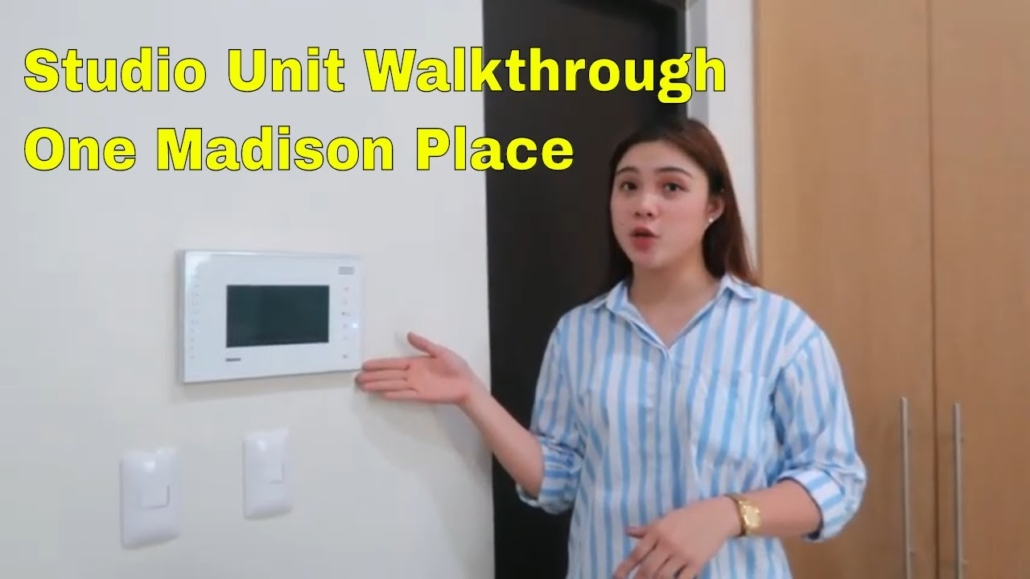
12) After-care: documents, taxes, warranties
- Keep a clean file: reservation, ORs, CTS/DOAS, LTS copies, IDs, SPA, bank approval, and, eventually, your CCT (Condominium Certificate of Title).
- Track warranty windows for concealed works vs. appliances.
- Put RPT due dates on your calendar; Iloilo City has published early-payment discounts in some years—worth checking each January.
Special notes
For OFWs
- Make sure that your agent is easy to contact especially online and well-versed in email and online messaging correspondence.
- Prepare SPA early (consularized/apostilled). May not be necessary if you get home at least once every year.
- Assign your agent to endorse you to reputable banks and get pre-approval.
- You should be able to request statements of your account in real time via email.
For foreign buyers
-
Foreigners may own condo units as long as foreign ownership in the condo corporation does not exceed 40%; this is anchored on the Condominium Act (RA 4726) and nationality rules.
Work with your consultant/agent/broker to confirm the project’s foreign ownership headroom before you reserve. This usually poses no problem but it’s always good to know.