From Runway to Boomtown: The Evolution of Iloilo Business Park
From Runway to Boomtown: How the Old Iloilo Airport Became Iloilo Business Park
Built in 1937, Mandurriao Airport carried Iloilo through war, a papal visit, and decades of flights—until its final departure in 2007.
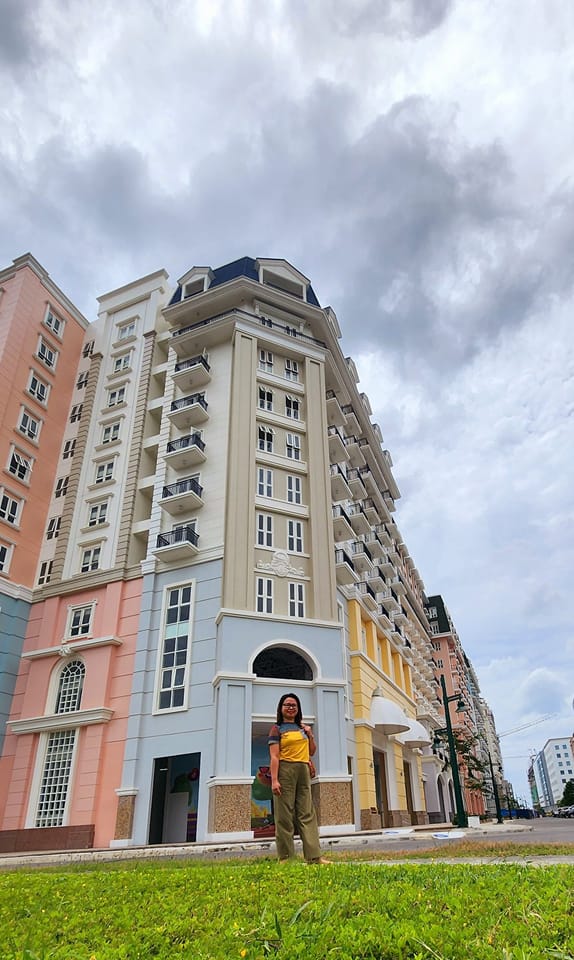
Today the same ground is Iloilo Business Park: museums, hotels, convention halls, and lively streets that feel proudly Ilonggo.
Watch: 1-minute Reel
1937–2007: The Airport Years
Before the café lights and skyline, there was the hum of propellers over Mandurriao.
The Old Iloilo Airport—formally Mandurriao Airport—opened in 1937 and later served as a World War II airfield.
It was captured in 1942 and recaptured in 1945.
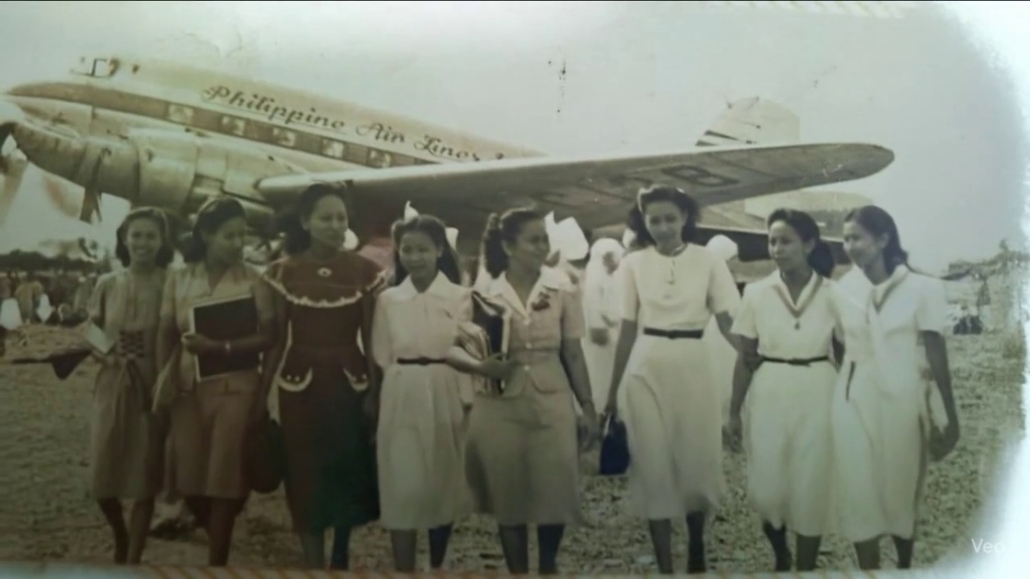
After the war, Philippine Airlines took the helm and for decades this was our gateway—departures, reunions, balikbayan hugs by the chain-link fence.
In 1981, a moment many Ilonggos still recall, Pope John Paul II landed here and greeted crowds by the control tower.
Through the ’80s and ’90s the airport served Ilonggos well—until it finally hit its limit.
The last commercial flight departed on the evening of June 13, 2007.
2007 Onward: The Big Turnaround
Closure created a rare, central tract of land in Mandurriao.
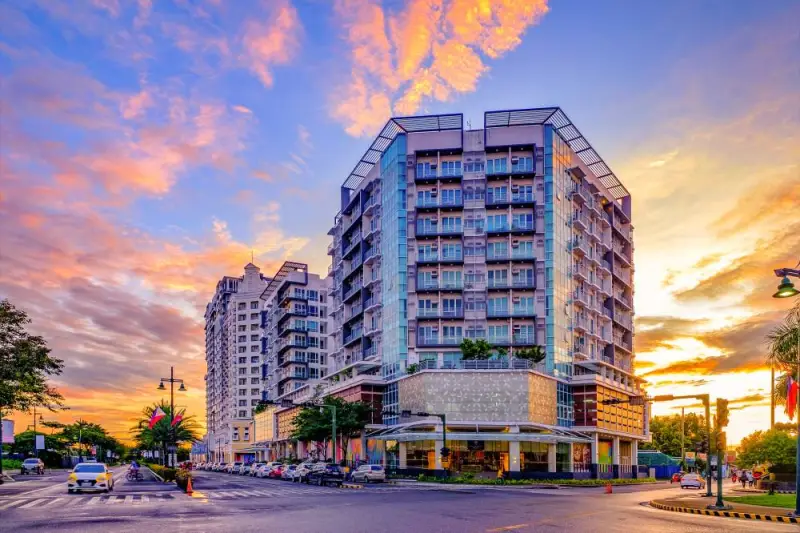
Redevelopment reimagined the runway as Megaworld Boulevard—a new spine for a mixed-use community where people could live, work, dine, and celebrate.
Where aircraft once lined up for takeoff, pedestrians now stroll under café lights and festival banners.
What Rose in Its Place
Culture & identity
The district anchors arts and culture, highlighted by contemporary exhibits and public art.
It’s a reminder that progress isn’t just concrete and glass—it’s who we are as Ilonggos.
Conventions & events
The convention center hosts trade shows, graduations, and national gatherings—turning what used to be a terminal into a stage for regional pride and big ideas.
Everyday city life
Lively streets weave cafés, restaurants, and outdoor music into a walkable experience.
On weekend nights—and especially around Dinagyang—Mandurriao feels like one long, happy paseo.
Namit gid ang pagkaon, and the vibe is relaxed in that distinctly Ilonggo way.
Stays for every trip
Hotels along the boulevard make it easy for business, balikbayan visits, or staycations—placing guests within steps of dining, museums, and event spaces.
Why It Matters to Ilonggos
Shared memory, shared future. Many of us remember waving to relatives by the fence,
or hearing our parents’ stories about the papal visit. Today the same ground supports jobs in hospitality,
services, arts, and events—a shift from takeoffs to opportunities.
A new center of gravity. The area connects easily to SM City, Atria, the Esplanade, and Jaro,
turning Mandurriao into a cluster of walkable neighborhoods with distinct flavors.
Pride of place. Public art, greener streets, and a steady events calendar let us host the region
in our own signature way: warm service, namit nga food, and that gentle Ilonggo tempo.
Walk It Today: A Mini-Guide
- Golden hour loop: Start at the convention center, cross to the parade, and end at the plaza for blue-hour photos.
- Coffee & people-watching: Pick a terrace seat and watch Mandurriao glide by—best on weekend evenings.
- Easy stay: Book a hotel (or a condo) along the boulevard for quick access to dining, museums, and events.
Quick Timeline
- 1937 — Mandurriao Airport opens; later serves WWII operations.
- 1942–1945 — Occupied and then recaptured during the war.
- Post-war — Philippine Airlines era; Iloilo’s primary gateway.
- 1981 — Pope John Paul II visits; crowds gather near the control tower.
- June 13, 2007 — Final commercial flight departs; airport operations cease.
- 2007–present — Runway becomes Megaworld Boulevard; a thriving township grows.
From takeoff to transformation—this is the evolution of Iloilo Business Park.
Ready to talk about smarter investments?
Feel free to reach out or message me directly. I’m here to help

Contact
Mobile / SMS / VIBER / WHATSAPP:
+63 928 503 5321
Email: consult@iloilocondominiums.com